Collection: Agents tensioactifs

Livraison gratuite au Royaume-Uni continental

Expédition le jour même*

5 produits

Filtrer et trier

Affichage de 5 produits sur 5

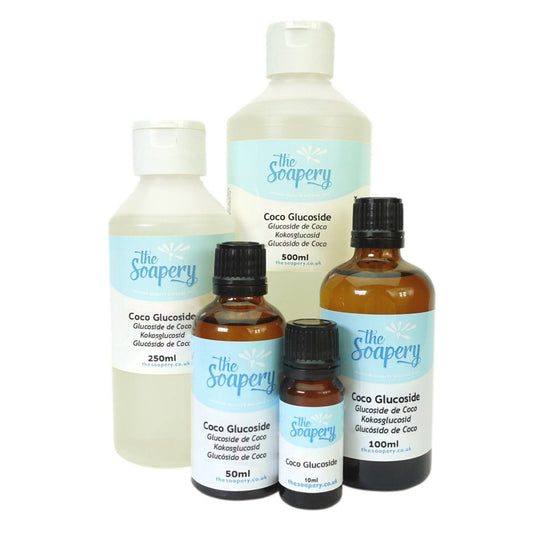
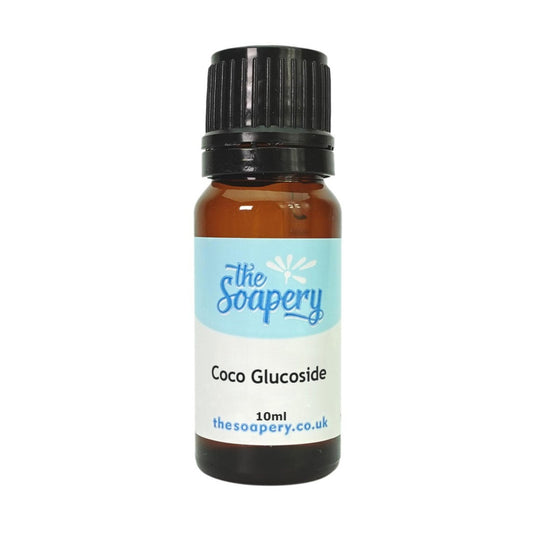
  • Coco Glucoside

    Coco Glucoside

    Prix habituel
    Du €3,95
    Prix soldé
    Du €3,95
    Prix habituel
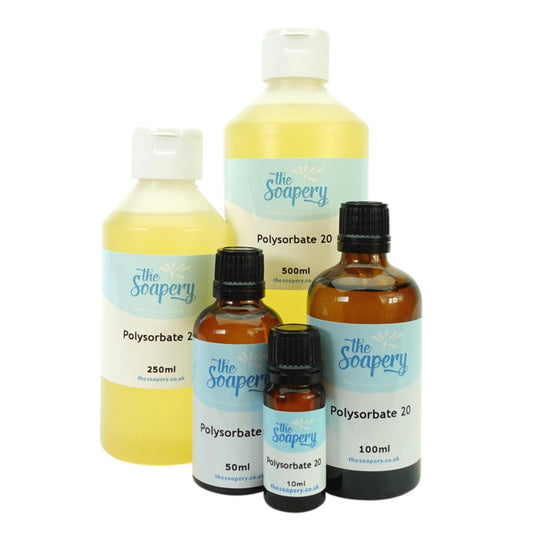
  • Polysorbate 20

    Polysorbate 20

    Prix habituel
    Du €4,95
    Prix soldé
    Du €4,95
    Prix habituel
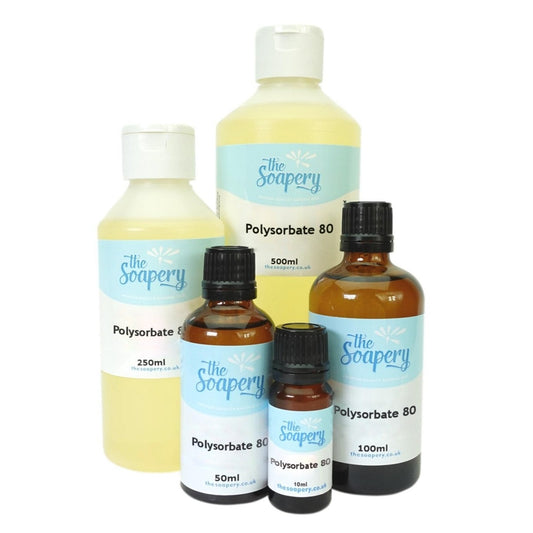
  • Polysorbate 80

    Polysorbate 80

    Prix habituel
    Du €4,95
    Prix soldé
    Du €4,95
    Prix habituel
  • SLSA - Sodium Lauryl Sulfoacetate

    SLSA - Sodium Lauryl Sulfoacetate

    Prix habituel
    Du €7,95
    Prix soldé
    Du €7,95
    Prix habituel
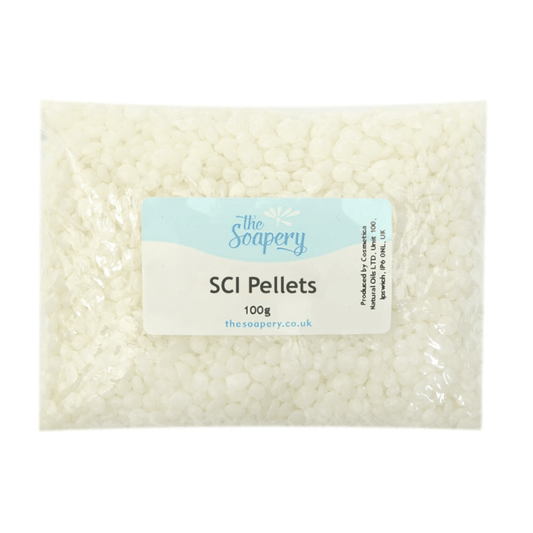
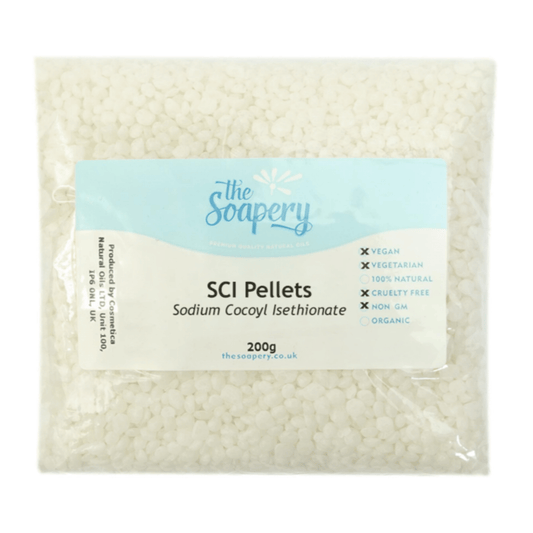
  • Granulés de cocoyl iséthionate de sodium (SCI)

    Granulés de cocoyl iséthionate de sodium (SCI)

    Prix habituel
    Du €5,95
    Prix soldé
    Du €5,95
    Prix habituel

Pourquoi choisir The Soapery ?

  • Livraison gratuite au Royaume-Uni (continent)

    Procurez-vous rapidement vos ingrédients sans frais supplémentaires.

  • Expédition le jour même*

    Commandez avant 15h pour que votre colis soit envoyé le jour même.

  • Prix bas

    Pas de marketing clinquant ni de fausses promesses se traduit par de grandes économies.

  • Fournisseurs éthiques

    Aucun scrupule ici. Nos ingrédients proviennent de sources éthiques et durables.

À propos de Agents tensioactifs

Nettoyer, faire mousser, faire mousser abondamment, épaissir, et plus encore - les tensioactifs imprègnent vos créations d'un pouvoir nettoyant inégalé et d'une belle mousse. Du SLSA doux pour la peau aux options douces et écologiques et au-delà, ces ingrédients essentiels sont un guichet unique pour tout ce qui concerne le bain, le corps, et plus encore ! Achetez des tensioactifs chez The Soapery aujourd'hui pour une expédition le jour même et une livraison rapide et gratuite !

En savoir plus sur les tensioactifs cosmétiques

Faites passer vos formules au niveau supérieur.

Les tensioactifs jouent un rôle crucial dans la création d'une mousse luxueuse et d'une texture lisse dans les savons et les cosmétiques. Mais il ne s'agit pas seulement d'esthétique - ces ingrédients puissants sont spécifiquement formulés pour nettoyer et nourrir la peau en douceur, la laissant douce et rafraîchie. Il n'est pas étonnant qu'ils aient été qualifiés d'essentiels pour les fabricants !

Que sont les tensioactifs cosmétiques ?

Tout en un !

Ces ingrédients pratiques se retrouvent dans tout, des nettoyants, aux produits moussants, toniques, crèmes, savons et produits capillaires. Leur rôle ? L'indice est dans le nom ! "Tensioactif" est l'abréviation de "agent de surface actif" - une combinaison d'ingrédients qui agissent pour réduire la tension superficielle des liquides.

En termes simples, ils aideront votre produit fini à s'étaler facilement et uniformément sur la peau et les cheveux, en éliminant la saleté, l'huile et les autres impuretés avec facilité. Notre gamme comprend du coco glucoside, du SLSA, du polysorbate 80 et d'autres tensioactifs.

Nous ne vendons pas tous les tensioactifs naturels, mais nous avons d'excellentes alternatives naturelles comme le coco glucoside et le polysorbate 20. Des tensioactifs à base de noix de coco pour une mousse riche et crémeuse aux options dérivées de l'huile de palme pour un nettoyage doux, il existe un tensioactif pour chaque type de peau.

Les favoris de nos experts en fabrication incluent les créations à base de légumes, et le SLSA - une excellente alternative aux tensioactifs naturels, et un tensioactif doux qui fournit une mousse riche et stable dans les bombes de bain, les shampooings et autres cosmétiques.

Comment utiliser les tensioactifs en cosmétique

La liste des utilisations des tensioactifs est vraiment infinie. Qu'ils soient utilisés pour un nettoyage doux, la formation de mousse ou la stabilisation, il y a presque toujours une place pour eux dans les formules de bain et de corps. Ceci étant dit - chaque type de tensioactif et chaque recette utilisée ont des exigences différentes - assurez-vous de bien vérifier vos ingrédients et votre processus avant de vous lancer !

En général, pour obtenir la bonne mousse et les bonnes propriétés, il est important de choisir les bons ingrédients et les bonnes proportions. Vous hésitez entre plusieurs ? Vous pouvez mélanger différents types de tensioactifs pour personnaliser les propriétés de votre produit final !

Avant de vous lancer dans la fabrication, n'oubliez pas : l'utilisation d'une trop grande quantité de tensioactif peut provoquer des irritations de la peau ou des cheveux. Essayez de suivre les instructions, ou, si vous expérimentez une formulation, testez avant d'utiliser !

Les avantages des tensioactifs cosmétiques

Un bon nombre de produits cosmétiques, de bain et de corps que nous connaissons et aimons aujourd'hui n'existeraient tout simplement pas sans les capacités révolutionnaires des tensioactifs !

Ces ingrédients naturels, dérivés de sources allant de la noix de coco à l'huile de palme durable, sont spécialement formulés pour un nettoyage doux, des propriétés hydratantes et améliorent la texture de la peau et des cheveux - tout en apportant d'innombrables avantages fonctionnels aux formules elles-mêmes.

Sur le papier, les tensioactifs brisent la tension superficielle - rendant tout, du mélange à l'application, un jeu d'enfant. Par exemple, grâce à leur structure moléculaire unique, qui leur permet de se mélanger facilement à l'eau et de créer des bulles, ils constituent un agent moussant doux mais efficace dans les savons et les gels !

De plus, selon le type que vous choisissez, vous pourrez même utiliser votre tensioactif comme émulsifiant ou dispersant !

La plupart des tensioactifs cosmétiques sont également respectueux de l'environnement - étant dérivés de sources naturelles, biodégradables et souvent facilement disponibles. C'est vraiment une situation gagnant-gagnant !

CE QUE DISENT NOS CLIENTS

Nous accordons de l'importance à chacun de nos clients

Accréditations/Récompenses

Nous nous engageons à offrir une vaste gamme de produits entièrement naturels et biologiques certifiés par la Soil Association, et nous sommes fiers de contribuer à la protection de notre environnement.

Comme la plupart des ingrédients, les huiles, beurres, poudres et décorations de vos produits faits à la main sont cultivés ou extraits du monde naturel. Ceux qui sont certifiés biologiques par la Soil Association ont été cultivés, produits et récoltés conformément à des réglementations strictes visant à protéger et à maintenir l'environnement, y compris les sols, les écosystèmes, les animaux et les personnes.

Acheter Agents tensioactifs : FAQ

Vous ne trouvez pas les réponses que vous cherchez ? N'hésitez pas à contacter notre équipe à l'aide de notre formulaire de contact ou sur les réseaux sociaux. Nous serons ravis de vous aider.

How do cosmetic surfactants work?

Cosmetic surfactants are do-it-all ingredients with a whole range of purposes. They’re most often used to help bath and body products like shower gels, shampoos, and soap foam, clean, and cleanse properly. They do this, on the whole, by lowering the surface tension of liquids. 

Surfactants are usually made up of two parts: a hydrophobic (water-fearing) tail and a hydrophilic (water-loving) head. The hydrophobic tail dissolves in oils and fats, while the hydrophilic head breaks down in water. This means that when a surfactant is mixed into the formula of, say, a bar of soap, and used in the shower, its hydrophobic tails attach to dirt and oil present on the skin, while the hydrophilic heads remain in the water, allowing the former to be washed away with ease!

What are cosmetic surfactants made of?

On a molecular level, cosmetic surfactants are made up of a hydrophilic (water-loving) head, and hydrophobic (water-fearing) tail. This unique combination is what gives these ingredients their unique cleansing and foaming characteristics. In addition, many surfactants feature different levels of charge - for example, anionic surfactants like sodium lauryl sulfate create a lovely lather, while nonionic surfactants like glyceryl stearate are ultra-mild and great for emulsifying oils. Amphoteric surfactants like Cocamidopropyl betaine are the chameleons of the group, acting as both anionic and cationic surfactants, making them incredibly versatile. 

In terms of ingredient sources, many cosmetic surfactants are drawn from the natural world! Common derivatives include coconut oil, palm oil, and cornstarch - all of which are able to produce a gentle, mild end-product perfect for use in creations for the skin and hair. 

Are surfactants natural?

When it comes to surfactants, there are all-natural, synthetic, and a few ‘in-between’ options available to soap and cosmetic makers! 

Natural surfactants, as their name suggests, are derived entirely from plants, animals, or minerals with no extra processing involved in their production. Common examples in this category include coconut, palm, and castor oil - all of which are known for their gentle effects on the skin, and ability to contribute to lather (especially in soap)!

Synthetic options, on the other hand, are composed of chemical compounds. Some examples include Sodium Lauryl Sulfate (SLS) and Sodium Laureth Sulfate (SLES). They’re known to be a little harsher than natural surfactants.

The Soapery also offers mostly natural options subject to minimal processing - such as SLSA - a derivative of coconut and palm oil. Though these options don’t quite meet our standards for 100% natural labelling, they’re made of natural ingredients at their core. The final product has simply been modified and purified to meet cosmetic industry standards and has the appropriate characteristics and pH to be used as a surfactant. 

What is the difference between primary and secondary surfactants?

Primary and secondary may share a name, but play distinct roles in everything from shampoo to soap creations. Primary surfactants, often referred to as 'main' or 'primary detergents', will do the vast majority of the work in your formula, being responsible for cleaning, cleansing, lathering, and in some contexts, emulsifying. They’re usually used in higher concentrations as a result. 

Secondary surfactants, also known as ‘co-surfactants’ support the functionality of primary surfactants. They’re commonly used to improve foam quality, increase mildness, aid in thickening, or modify the texture of a product. 

The interplay between primary and secondary surfactants allows for a fully functioning end-product. 

How to make shower gel foam?

Doing some DIY bath and body crafting? We’ve got the tips and tricks you’ll need to perfect your products. 

Making shower gel foamy is a simple process - and, most of the time involves the use of a surfactant! In simple terms, these compounds lower the surface tension between liquids, allowing them to mix and create foam. They may be listed in your recipe in the form of SLS, SLSA, or even coconut oil - be sure to double-check! 

SLSA is one of our favourite foaming and lathering agents for shower gels thanks to its mildness. The general rule of thumb is to use around 1-2% of SLSA, based on the total weight of the recipe - however, be sure to check your guide’s exact requirements! If you’re experimenting with formulations, don’t overlook testing for skin irritation either. 

Beyond surfactants, there are some other shower gel recipe ingredients known to help stir up a nice lather including honey and glycerin! Why not experiment with different options to find the perfect recipe for your customers?

Are surfactants safe to use in cosmetics?

In general, surfactants are considered safe to use in cosmetics  - having undergone testing and usage by millions of people for decades. However, as with any cosmetic ingredient, some people may be more sensitive or allergic to certain types or volumes of surfactant, meaning you should always work with care, and label your end-products correctly! 

There are many types of surfactants out there - each with different benefits, and varying effects on the skin when used in cosmetics, bath, and body products. For example, sodium lauryl sulfate (SLS), despite its effectiveness as an ingredient, is on the harsher side and is known to cause irritation to some people with sensitive skin, whilst SLSA, for example, provides a milder alternative.

What’s the difference between a primary and a secondary surfactant?

If you’re getting deeper into the world of soap and cosmetics making, you may have come across recipes calling for the use of both a primary and secondary surfactant. But what’s the difference? Essentially, a primary surfactant is your main lathering and cleansing agent - it’ll take the lead in terms of the texture and performance of your final product. Examples of primary surfactants include sodium lauryl sulfate (SLS) and SLSA. 

A secondary surfactant, on the other hand, is the backup. It’s used in smaller quantities to enhance the performance of the primary surfactant - often contributing to the lather, stability, and moisturising properties of a formula. Some examples of secondary surfactants include Cocamidopropyl betaine and glyceryl laurate.

Are there any alternatives to synthetic surfactants?

Although many synthetic surfactants can provide an excellent performance in terms of lathering, pH balance, texture, absorption, and more - they’ve also got a bit of a reputation for being harsh on the skin. If you’re in need of a gentle addition to your recipe, our experts recommend opting for a milder option, such as SLSA or SCI flakes (a plant derived choice), or going down the 100% natural route. 

How do I store surfactants?

Storing your surfactants correctly is key to unlocking their all-powerful bubbling and cleansing abilities! In order to keep your new purchases in tip-top condition, our experts recommend storing them in their original packaging until you're ready to use them. Once you've opened them, if you’re no longer able to use their original packaging, pop them in airtight containers, like glass or plastic bottles with tight-fitting lids. 

Once packaged and primed for next use, be sure to keep your surfactants in a cool, dry place, away from direct sunlight and heat sources. In addition to this, avoid storing them in damp or humid areas, as this can cause them to degrade more quickly. 

Some surfactants are also known to absorb strong odours - so be sure to steer clear of any essential or fragrance oils in order to maintain performance levels for as long as possible! 

How to get bath bombs to foam?

SLSA is a popular choice for makers looking for foamy, floating bath bombs. It’s a safe, skin-friendly surfactant that helps create rich, luxurious foam when dissolved in water. 

Most bath bomb recipes will require you to mix SLSA with your dry ingredients (like baking soda and citric acid) before adding any oils or moisture. The proportion of SLSA needed can vary, but most use it in a smaller ratio compared to base ingredients.