Collection: Émulsifiants

Livraison gratuite au Royaume-Uni continental

Expédition le jour même*

6 produits

Filtrer et trier

Affichage de 6 produits sur 6

  • BTMS 25

    BTMS 25

    Prix habituel
    Du €5,95
    Prix soldé
    Du €5,95
    Prix habituel
  • BTMS 50 à 10 kg

    BTMS 50 à 10 kg

    Prix habituel
    Du €10,95
    Prix soldé
    Du €10,95
    Prix habituel
  • Cire émulsifiante

    Cire émulsifiante

    Prix habituel
    Du €4,95
    Prix soldé
    Du €4,95
    Prix habituel
  • Cire émulsifiante sans SLS

    Cire émulsifiante sans SLS

    Prix habituel
    Du €4,95
    Prix soldé
    Du €4,95
    Prix habituel
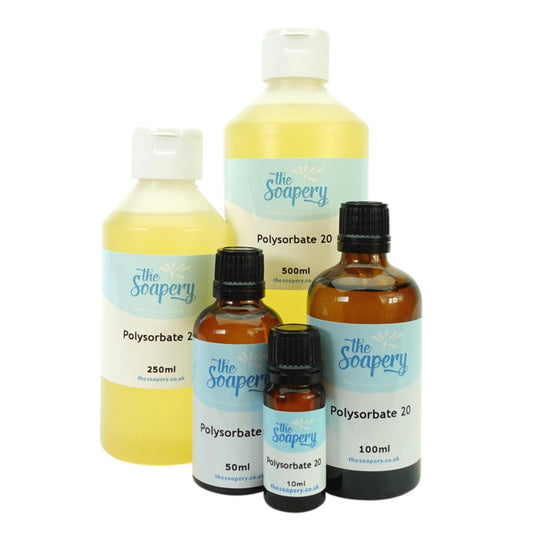
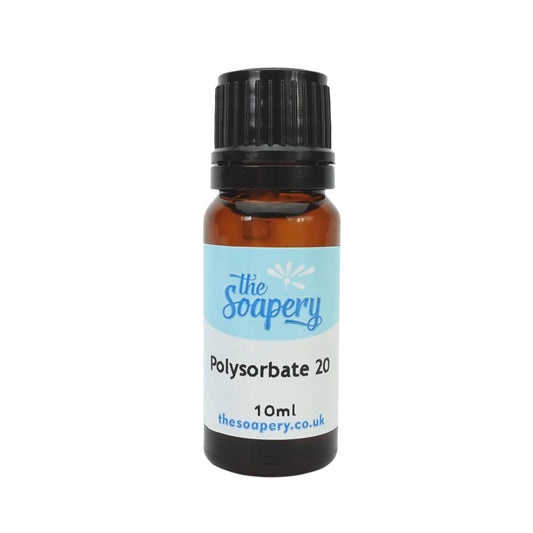
  • Polysorbate 20

    Polysorbate 20

    Prix habituel
    Du €4,95
    Prix soldé
    Du €4,95
    Prix habituel
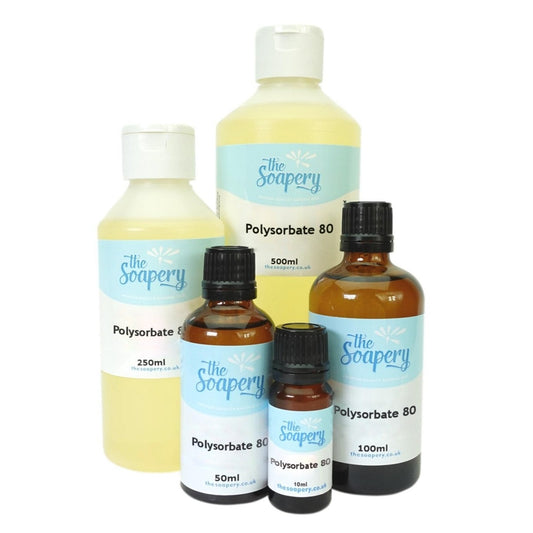
  • Polysorbate 80

    Polysorbate 80

    Prix habituel
    Du €4,95
    Prix soldé
    Du €4,95
    Prix habituel

Pourquoi choisir The Soapery ?

  • Livraison gratuite au Royaume-Uni (continent)

    Procurez-vous rapidement vos ingrédients sans frais supplémentaires.

  • Expédition le jour même*

    Commandez avant 15h pour que votre colis soit envoyé le jour même.

  • Prix bas

    Pas de marketing clinquant ni de fausses promesses se traduit par de grandes économies.

  • Fournisseurs éthiques

    Aucun scrupule ici. Nos ingrédients proviennent de sources éthiques et durables.

À propos de Émulsifiants

Vous avez une formule délicate à portée de main ? Vous mélangez de l'eau et de l'huile ? Dans une situation délicate ? Nos émulsifiants cosmétiques sont là pour vous aider. Ces ingrédients soigneusement sélectionnés constituent la « colle » parfaite, maintenant en parfaite harmonie les formules, des savons aux crèmes.

En savoir plus sur un émulsifiant cosmétique

Préparez-vous à mélanger !

L'huile et l'eau ne se mélangent pas naturellement, c'est-à-dire sans un peu d'aide. C'est là qu'un émulsifiant intervient et joue le rôle de médiateur, aidant à créer un mélange homogène, ou « émulsion » ! Nos émulsifiants cosmétiques sont le complément parfait à toute recette.

Que sont les émulsifiants cosmétiques ?

Un essentiel de l'artisanat et des cosmétiques.

Ces ingrédients magiques sont ce qui aide à mélanger les produits à base d'eau et d'huile, comme les lotions, les crèmes et les shampoings.

Un émulsifiant est nécessaire lors du mélange de l'huile et de l'eau dans les formulations. Ils mélangent les huiles végétales ou les huiles essentielles dans l'eau pour créer une émulsion lisse. Un émulsifiant peut être utilisé dans des produits cosmétiques comme les lotions, les crèmes, les sérums, les beurres corporels, les pommades, les après-shampoings et les traitements capillaires.

Provenant d'experts, de plantes, d'animaux ou de synthèse chimique, un émulsifiant se présente sous deux formes principales : huile dans l'eau et eau dans l'huile. Tandis que la première est une excellente option pour un résultat final de type lotion ou crème, les émulsifiants eau dans l'huile sont parfaits pour ceux qui recherchent une consistance plus épaisse et plus baume.

Certains de nos ingrédients émulsifiants les plus populaires incluent la cire émulsifiante, le polysorbate 80 et le BTMS – qui apportent tous des avantages uniques. Certains produits émulsifiants sont d'origine naturelle mais ne sont pas 100 % naturels, cependant, ils constituent une excellente alternative d'émulsifiant plus naturel. Du volumisant et moussant à l'épaississant et au-delà, un émulsifiant peut faire bien plus que simplement lier !

Prêt à commencer ? Pourquoi ne pas parcourir notre gamme d'émulsifiants cosmétiques dès maintenant ?

Comment utiliser un émulsifiant dans les cosmétiques

Donnons vie à vos créations !

Dans la plupart des recettes, chauffer séparément vos ingrédients à base d'eau et d'huile avant de les combiner est essentiel pour créer cette émulsion tant convoitée. Nos experts recommandent de s'assurer que les deux sont à des températures similaires avant de les mélanger et d'utiliser un outil comme un mixeur plongeant pour assurer un résultat lisse.

Bien sûr, il existe des centaines d'options d'émulsifiants cosmétiques différentes sur le marché, ce qui signifie qu'avant de commencer à mélanger, vous devrez faire le bon choix d'achat. Que votre recette de soins capillaires nécessite le pouvoir liant du BTMS ou que vous ayez besoin d'une pincée de polysorbate 80 pour votre bombe de bain, assurez-vous de faire vos recherches et de vérifier vos instructions pour les particularités, les astuces et les conseils individuels !

Les avantages des émulsifiants cosmétiques

Mélangez et liez.

Nos clients adorent utiliser des émulsifiants cosmétiques ! Ces petits assistants pratiques font toutes sortes de choses incroyables pour leurs créations.

Un émulsifiant donne à quiconque le pouvoir d'égaliser les chances. Au-delà de la liaison, le bon émulsifiant a le pouvoir de créer la bonne texture, rendant vos produits incroyables sur la peau. Pas besoin de secouer ou de remuer ici !

Et n'oublions pas l'efficacité. En aidant à distribuer uniformément toutes les bonnes choses, les émulsifiants peuvent rendre vos produits encore plus efficaces pour faire ce qu'ils sont censés faire. Que ce soit pour hydrater, nettoyer ou rafraîchir, il existe un émulsifiant cosmétique pour le travail.

CE QUE DISENT NOS CLIENTS

Nous accordons de l'importance à chacun de nos clients

Accréditations/Récompenses

Nous nous engageons à offrir une vaste gamme de produits entièrement naturels et biologiques certifiés par la Soil Association, et nous sommes fiers de contribuer à la protection de notre environnement.

Comme la plupart des ingrédients, les huiles, beurres, poudres et décorations de vos produits faits à la main sont cultivés ou extraits du monde naturel. Ceux qui sont certifiés biologiques par la Soil Association ont été cultivés, produits et récoltés conformément à des réglementations strictes visant à protéger et à maintenir l'environnement, y compris les sols, les écosystèmes, les animaux et les personnes.

Acheter Émulsifiants : FAQ

Vous ne trouvez pas les réponses que vous cherchez ? N'hésitez pas à contacter notre équipe à l'aide de notre formulaire de contact ou sur les réseaux sociaux. Nous serons ravis de vous aider.

How do emulsifiers work in oil-to-water vs. water-to-oil formulations?

Emulsifiers are key in creating stable mixtures for different types of cosmetic formulations. In oil-to-water emulsions, they disperse oil droplets in a water base, common in lighter lotions and creams. This helps the product absorb quickly into the skin. In water-to-oil emulsions, emulsifiers suspend water droplets in an oil base, creating a richer, more moisturising effect. 

The choice of emulsion type depends on the rest of the ingredients used across your formula, alongside desired texture and properties of the final product, with the emulsifier ensuring uniform distribution.

Why are emulsifiers used in cosmetics?

Making a cosmetics product? There’s a good chance that your ingredient list contains emulsifiers! 

The main role of these key ingredients comes in the form of binding. Most of the time, they’re used to help blend together things that wouldn't normally mix, like oil and water - both of which are essential for creating cosmetics products like lotions and creams. 

In addition to the above, emulsifiers are active contributors to texture, and product performance - meaning they can be used to craft everything from lightweight serums to creamy moisturisers. 

Before selecting your final emulsifier - be sure you’re making the right choice for your desired end result. Each brings different benefits to the table!

Are cosmetic emulsifiers natural?

There’s a near endless range of cosmetic emulsifiers out there, meaning there’s an equally long list of sources - some of which are natural (e.g. plants and minerals). For instance, lecithin and cellulose are direct natural emulsifiers. 

With this being said, many recipes require emulsifiers with very specific qualities only found in synthetic resources, or when natural ones are processed in some way. These options tend to be more stable and consistent in their performance than their 100% natural counterparts, making them a popular choice for makers.

What is the best cosmetic emulsifier?

To put it simply, there’s no one best cosmetic emulsifier out there - however, there’s likely one for your chosen recipe.

From all-natural to synthetic and everything in between, each emulsifier the making world has at hand brings different properties to the table - making them best suited for varying uses. 

For example, BTMS 50 is often a safe bet for hair products as it helps moisturise, hydrate, and soften hair. It’s loved worldwide for its conditioning, detangling and anti-frizzing properties - and is a common choice for conditioners! With this being said, for bath bomb makers, polysorbate 80 is a better emulsifying choice as it prevents the occurrence of an ‘oil layer’ on top of water, and enables colour to better disperse.

If sorting by chemical properties, on the whole, anionic emulsifiers are great for products with high water content, non-ionic emulsifiers work well in products with the opposite, cationic emulsifiers are ideal for conditioning and detangling, while amphoteric emulsifiers can stabilise emulsions over a wide pH range.

What are cosmetic emulsifiers?

Cosmetic emulsifiers are specialised ingredients seen across skincare and makeup products. They work to combine or ‘emulsify’ mixtures that would otherwise remain separate in formulas, for example, water and oil. They play a vital role in the consistency, texture, and longevity, helping ensure final products have a uniform appearance and feel. 

A necessary addition to many products including creams, lotions, and serums, emulsifiers are available in both natural and synthetic forms. Popular choices include BTMS 25 and 50, and polysorbate 80.

Do cosmetic emulsifiers expire?

Like most cosmetic ingredients, emulsifiers can expire. The exact shelf life of your product will depend on the type you’ve chosen (chemical composition plays an important role in longevity), storage conditions, and its exposure to air and other contaminants. Expired emulsifiers may lack efficacy, resulting in underperforming products. 

Your cosmetic emulsifier should be supplied with a recommended shelf life or expiration date on its packaging. In order to ensure it lives up to this guideline, it’s important to follow manufacturer guidelines on storage and usage.

What is BTMS?

BTMS, which stands for Behentrimonium Methosulfate, is a conditioning emulsifier commonly used in the cosmetic industry. It's derived from fatty alcohol (commonly sourced from plant oils including rapeseed, sunflower, and coconut) which undergoes chemical modifications to create the emulsifying properties that BTMS is known for. Specifically, the fatty acids from these oils are reacted with trimethylamine – meaning that although this emulsifier starts life naturally, it doesn’t receive our all-natural label. 

 BTMS helps blend water and oil components in products while providing excellent conditioning properties. This makes it a popular choice for haircare products like conditioners and detanglers.

Can emulsifiers be used to preserve natural ingredients in a cosmetic product?

In short, cosmetic emulsifiers work by coating the ingredients they’re mixing, and forming a barrier that keeps them stable. Whilst this helps hugely in terms of binding things like water and oil together in creations like creams and lotions, stability is also a huge factor in product longevity - keeping things feeling and looking fresh. 

With this said, it's important to note that emulsifiers don’t inherently possess preservative properties. As a result, if you’re creating cosmetics containing water or otherwise prone to microbial growth, it's essential to include appropriate preservatives.

What are the differences between BTMS 50 and BTMS 25?

BTMS, a common emulsifier in cosmetic formulations, comes in two primary variants: BTMS 50 and BTMS 25. Whilst every variant of this ingredient acts as an emulsifying agent, their numbers, 50 and 25, hint at the concentration of the core compound, Behentrimonium Methosulfate. Though both originate from plant sources like rapeseed or coconut oil, their chemical modifications render them semi-synthetic.

Specifically, BTMS 50 boasts roughly 50% Behentrimonium Methosulfate. On the other hand, BTMS 25 contains about 25%.

Choosing between them often boils down to the way you’d like your final product to look and perform. 

How do I store cosmetic emulsifiers?

When it comes to ingredients for cosmetics and soap making, correct storage can be key to longevity! This, of course, applies to emulsifiers. Our experts recommend taking the following steps before or after use:

  • Store your emulsifiers in cool, dry, and dark places. Sunlight and heat exposure can cause premature rancidity and breakdown.
  • Keep your emulsifiers in their original airtight packaging where possible. If you need to transfer them to a different container, make sure it’s airtight and labelled clearly.
  • Seal any containers, bottles, and bags tightly in order to prevent exposure to moisture and contaminants. 

Remember to follow the expiration date on the package. If your emulsifier has passed its expiration date, it may not work as effectively!