





Collection: Fournitures pour la fabrication de savon

Livraison gratuite au Royaume-Uni continental

Expédition le jour même*
-
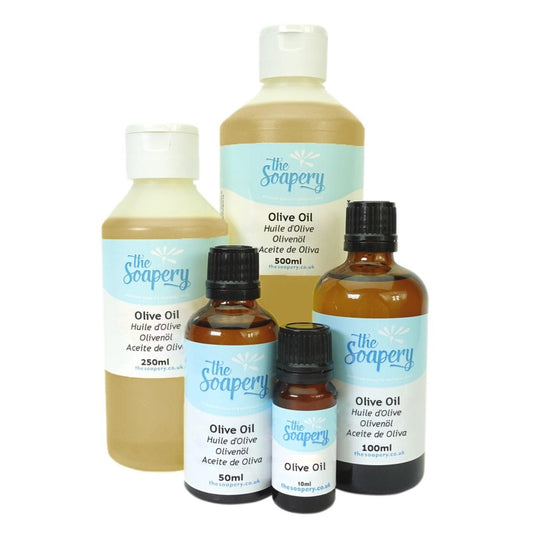
Huile d'olive - Pomace
-
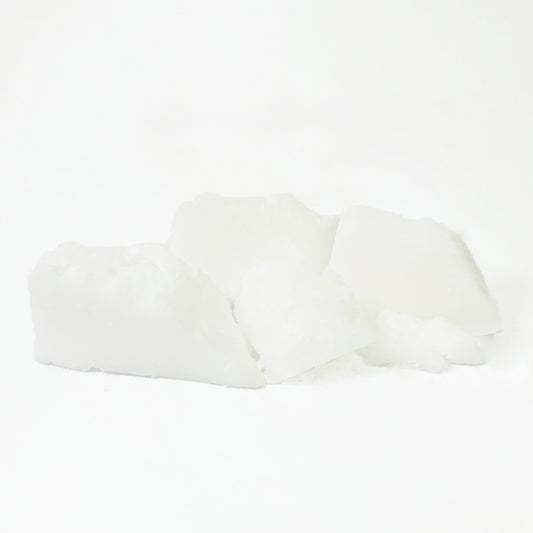
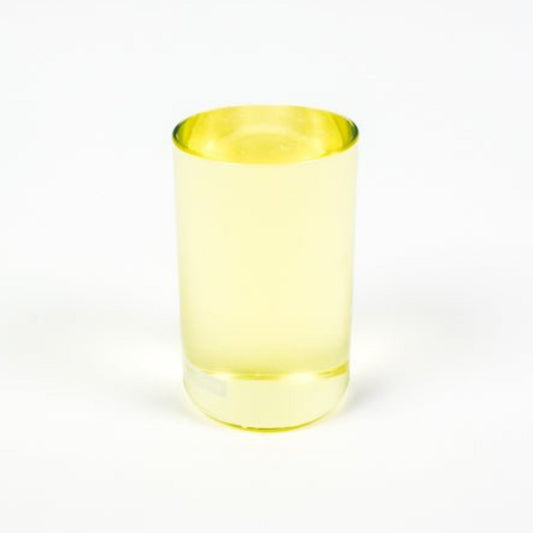
Huile de coco - Raffinée
-
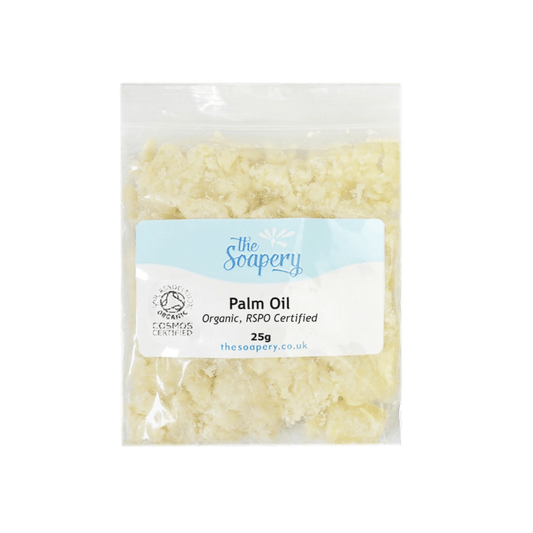
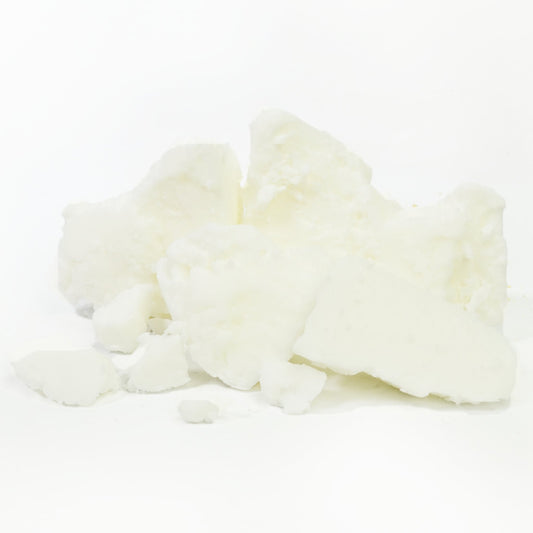
Huile de palme - Certifiée RSPO biologique, raffinée
Huile de palme - Certifiée RSPO biologique, raffinée
- Prix habituel
- Du €3,95
- Prix soldé
- Du €3,95
- Prix habituel
-
-
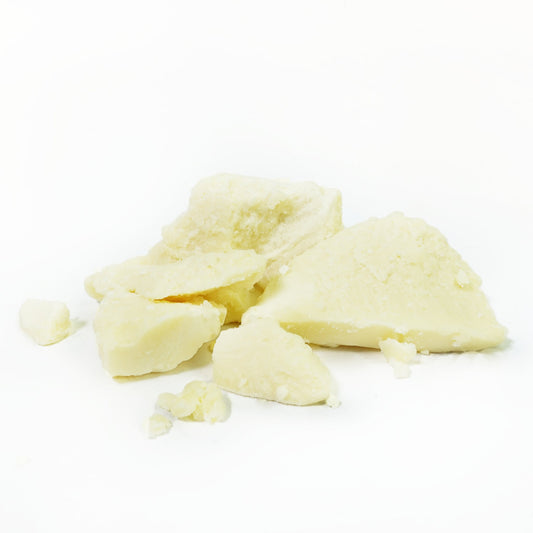
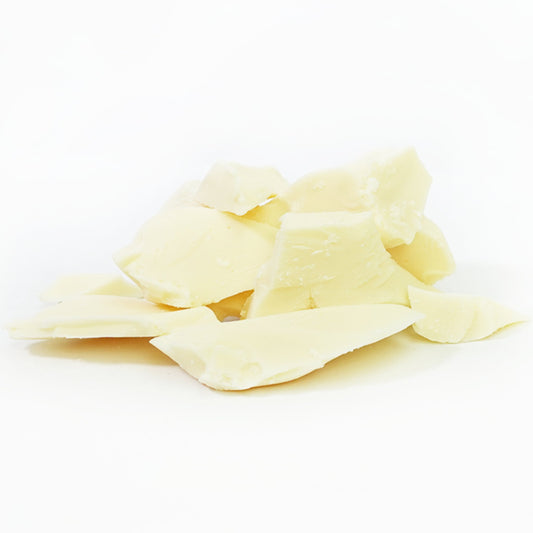
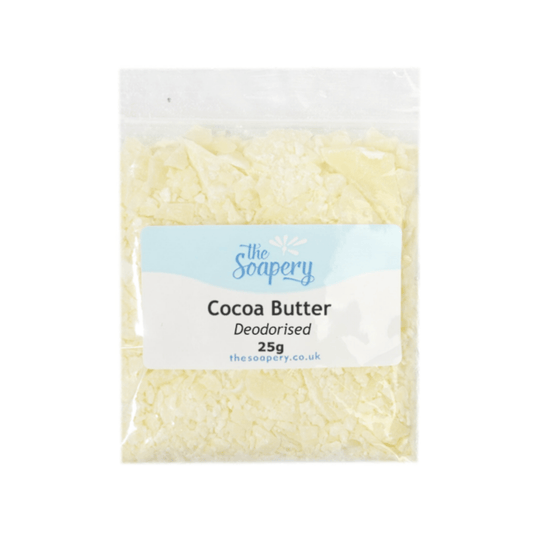
Beurre de cacao - non raffiné
-
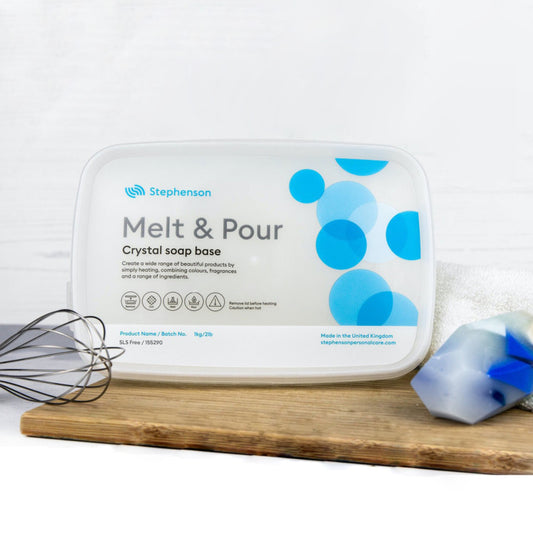
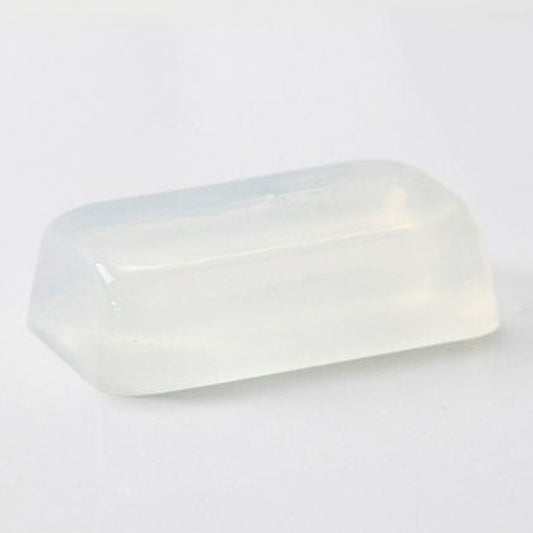
Base de savon transparente fondante et coulée transparente - Sans SLS
Base de savon transparente fondante et coulée transparente - Sans SLS
- Prix habituel
- Du €13,95
- Prix soldé
- Du €13,95
- Prix habituel
-
-
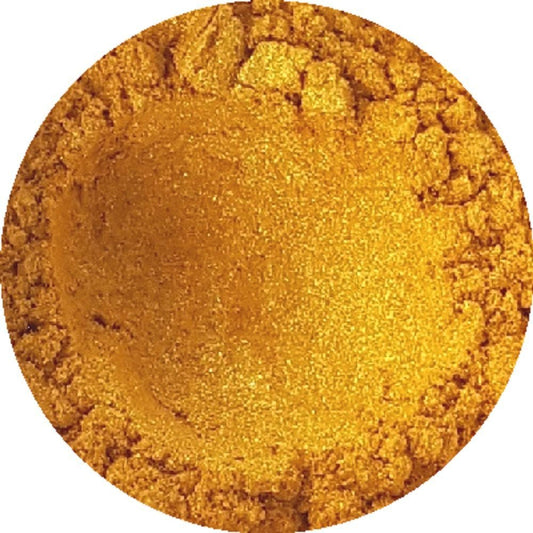
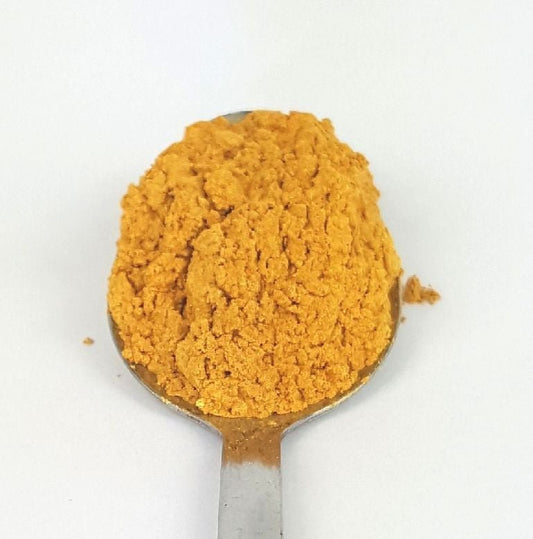
Poudre de mica cosmétique Golden Sparkle
-
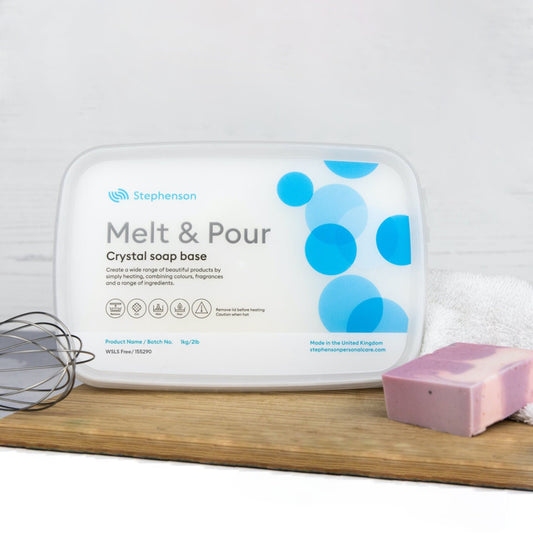
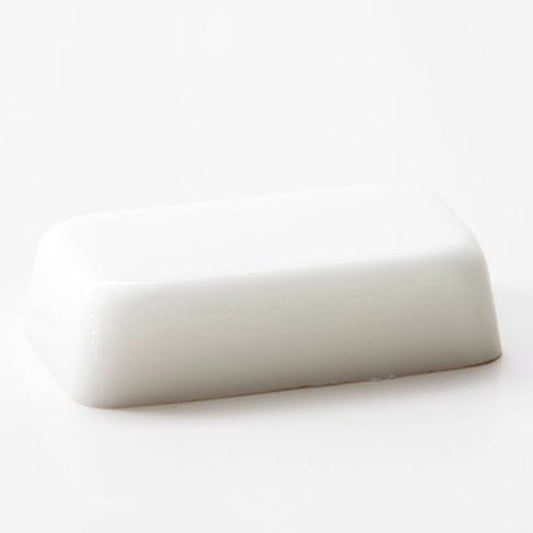
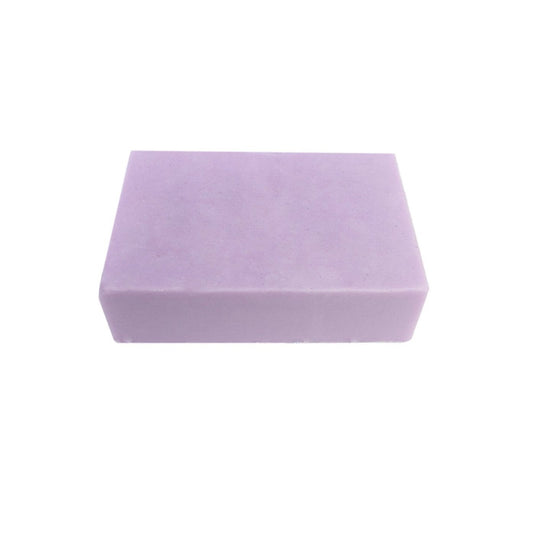
Base de savon fondante et coulée blanche opaque - Sans SLS
Base de savon fondante et coulée blanche opaque - Sans SLS
- Prix habituel
- Du €13,95
- Prix soldé
- Du €13,95
- Prix habituel
-
-
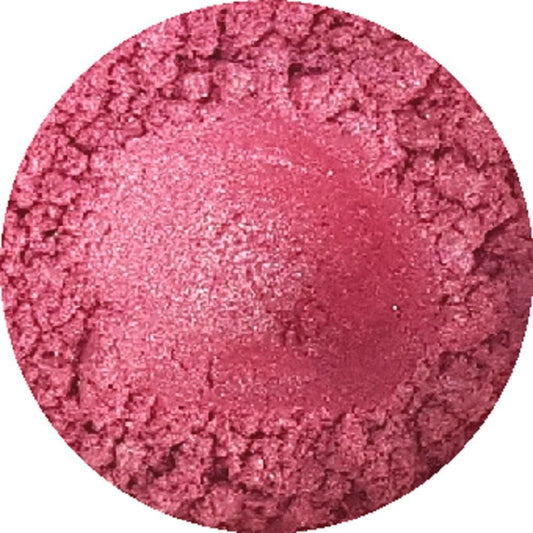
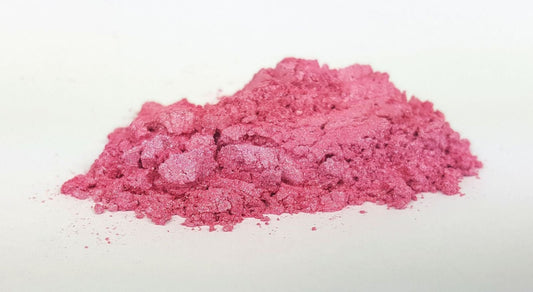
Poudre de mica cosmétique rose fraîche
-
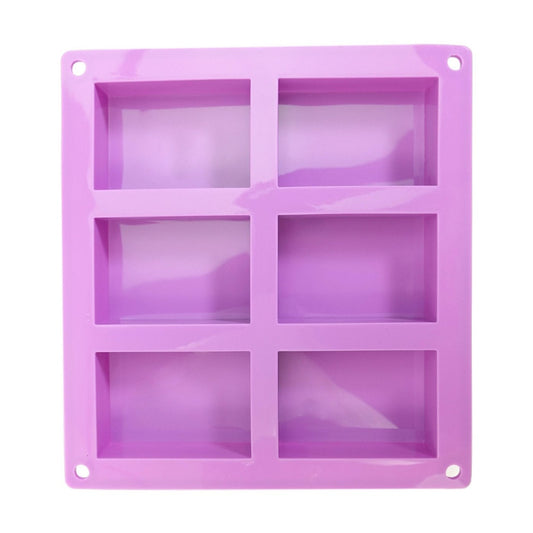
Moule rectangulaire 6 cellules
-
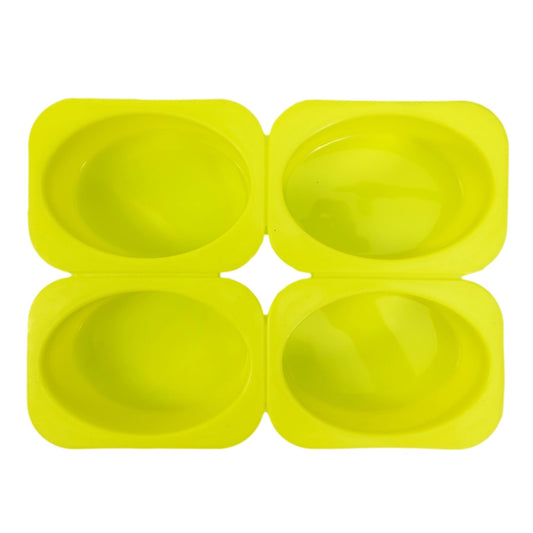
Moule Ovale 4 Cellules
-
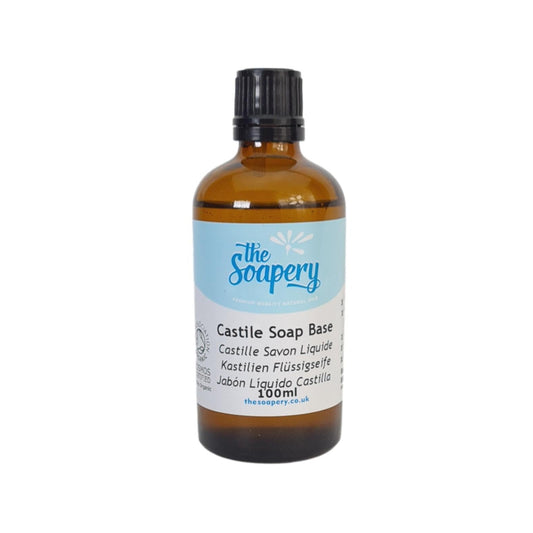
Base de savon liquide de Castille - Bio
-
Base de lavage pour le corps 3 en 1 25 kg
Base de lavage pour le corps 3 en 1 25 kg
- Prix habituel
- Du €11,95
- Prix soldé
- Du €11,95
- Prix habituel
-
-
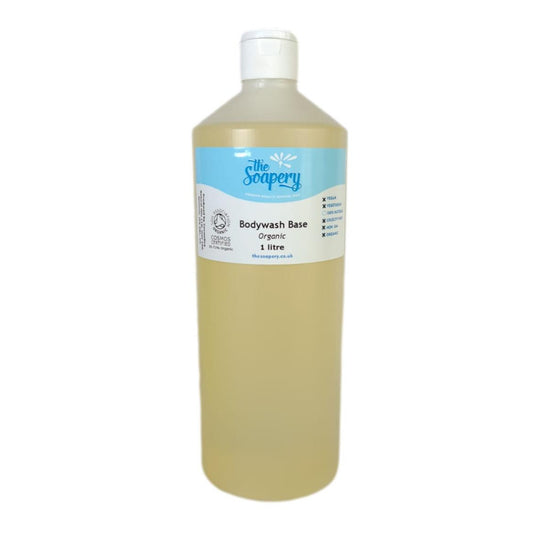
Base de lavage pour le corps - Bio
Pourquoi choisir The Soapery ?
-

Livraison gratuite au Royaume-Uni (continent)
Procurez-vous rapidement vos ingrédients sans frais supplémentaires.
-

Expédition le jour même*
Commandez avant 15h pour que votre colis soit envoyé le jour même.
-

Prix bas
Pas de marketing clinquant ni de fausses promesses se traduit par de grandes économies.
-

Fournisseurs éthiques
Aucun scrupule ici. Nos ingrédients proviennent de sources éthiques et durables.
À propos de Fournitures pour la fabrication de savon
Liquide, en barre et plus encore ! Mousse avec les fournitures de fabrication de savon de The Soapery - une collection choisie avec soin des meilleurs outils et ingrédients du monde. Explorez notre vaste sélection de fournitures de fabrication de savon pour la saponification à froid, la saponification à chaud et la fabrication de savon par fusion et moulage. Vous trouverez chez nous les bases, les huiles, les parfums et les plantes dont vous avez besoin !
Bienvenue dans le monde du savon fait main
Chez The Soapery, la fabrication de savon est notre gagne-pain - ou devrions-nous dire l'huile et la soude !
Pour nous comme pour nos artisans, la fabrication de savon est bien plus qu'un simple nettoyage de la peau - en fait, c'est l'un des meilleurs exutoires créatifs qui soient ! Avec seulement quelques ingrédients et une bonne recette, vous pourrez créer des produits uniques dont vous serez fier d'utiliser et de partager avec d'autres.
Des ingrédients naturels comme l'huile de coco, l'huile de palme, l'huile d'amande douce et l'huile d'olive aux fournitures essentielles pour la fabrication de savon comme l'hydroxyde de sodium, nous avons tout ce dont vous avez besoin pour commencer votre propre processus de fabrication de savon !
En faisant les choses vous-même, vous pourrez contrôler chaque élément de votre savon fini - des parfums, couleurs et formes aux textures finales. Fini le stress des ingrédients agressifs ou des allergènes ! De plus, une communauté entière d'artisans partageant les mêmes idées est à votre portée, n'attendant que de vous aider à perfectionner vos recettes.
Alors, comment commencer ? Eh bien, nous avons pour mission de rendre la fabrication de savon et de cosmétiques accessible à tous. Après tout, qui n'apprécie pas la magie du mélange, de l'association et de la création ?
Des beurres crémeux aux huiles parfumées et au-delà, chacune de nos fournitures de fabrication de savon est soigneusement sélectionnée par nos experts pour sa qualité, emballée avec soin et expédiée directement chez vous. De plus, nous nous engageons à rester simples. Nos produits sont aussi naturels que possible, et proposés sans majorations ou frais inutiles.
Les tenants et aboutissants de la fabrication de savon : Nos conseils
Faire du savon fait maison peut être une belle aventure - que vous cherchiez à concocter une simple barre ou à élaborer votre propre formule. Pour commencer, vous aurez besoin des deux fondations de la fabrication de savon - une huile ou une graisse, et un alcali, comme la lessive de soude. Une simple réaction chimique suffit pour commencer ! Que vous choisissiez l'huile d'olive, l'huile de coco, l'huile de ricin, l'huile d'amande douce ou quelque chose d'un peu différent, vous aurez bientôt la base parfaite entre vos mains.
Nous adorons la fabrication de savon pour sa flexibilité infinie. Pourquoi ne pas ajouter quelques extras pour une touche (ou beaucoup) de fantaisie - le choix vous appartient vraiment ! Mélangez des couleurs avec des poudres de mica naturellement chatoyantes, ou exfoliez avec des sels et des produits botaniques. Et n'oubliez pas le parfum ! Les huiles essentielles comme la lavande ou la menthe poivrée sont le moyen idéal de créer un parfum que vous n'oublierez jamais.
Enfin, il est temps de mettre la main à la pâte et de commencer à mélanger. Suivez une recette de savon de base et amusez-vous à expérimenter différentes combinaisons d'ingrédients. Et ne vous inquiétez pas si votre première fournée ne se déroule pas exactement comme vous l'espériez - faire du savon est un processus d'essais et d'erreurs.
Notre conseil principal pour les artistes et alchimistes du savon en herbe ? La sécurité avant tout, bien sûr ! Bien que la fabrication de savon puisse sembler simple et amusante, la lessive de soude peut présenter un réel risque pour votre santé et votre sécurité. Assurez-vous d'être correctement protégé contre ses effets caustiques avec une bonne paire de lunettes de sécurité et de gants.
Vous n'êtes pas intéressé par la science de la fabrication de savon ? Les bases de savon à fondre et à verser offrent une alternative simple et sans lessive de soude. Ces bases préfabriquées ont déjà subi le processus de saponification, ce qui signifie qu'elles peuvent être coupées, fondues, mélangées et versées en toute sécurité !
Le blog de la Savonnerie
Nos recettes de soins de la peau préférées


CE QUE DISENT NOS CLIENTS
Nous accordons de l'importance à chacun de nos clients
Accréditations/Récompenses
Nous nous engageons à offrir une vaste gamme de produits entièrement naturels et biologiques certifiés par la Soil Association, et nous sommes fiers de contribuer à la protection de notre environnement.
Comme la plupart des ingrédients, les huiles, beurres, poudres et décorations de vos produits faits à la main sont cultivés ou extraits du monde naturel. Ceux qui sont certifiés biologiques par la Soil Association ont été cultivés, produits et récoltés conformément à des réglementations strictes visant à protéger et à maintenir l'environnement, y compris les sols, les écosystèmes, les animaux et les personnes.

Acheter Fournitures pour la fabrication de savon : FAQ
Vous ne trouvez pas les réponses que vous cherchez ? N'hésitez pas à contacter notre équipe à l'aide de notre formulaire de contact ou sur les réseaux sociaux. Nous serons ravis de vous aider.
How long does soap making take?
What do I need to make soap?
How to make soap at home?
What is superfat?
How to make soap without lye?
What is trace in soap making?
How to add scent to soap?
How to add colour to soap?
What makes soap lather?
How do I choose soap base?
Rejoignez notre communauté de créateurs

Abonnez-vous à notre newsletter
