Collectie: Oppervlakte-actieve stoffen

Gratis verzending binnen het Verenigd Koninkrijk

Verzending op dezelfde dag*

5 producten

Filteren en sorteren

Toont 5 van 5 producten

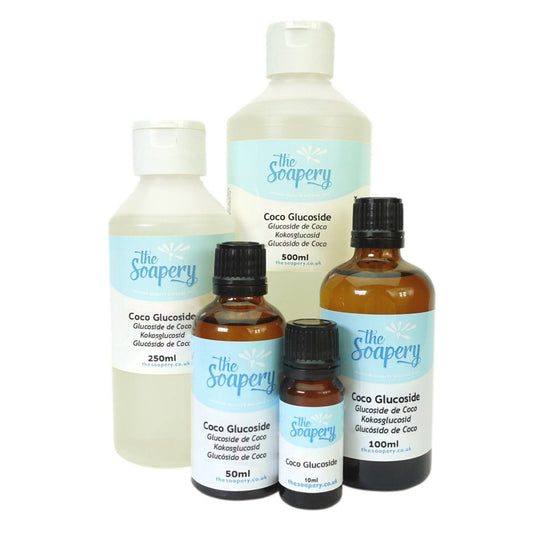
  • Cocoglucoside

    Cocoglucoside

    Normale prijs
    Vanaf €3,95
    Aanbiedingsprijs
    Vanaf €3,95
    Normale prijs
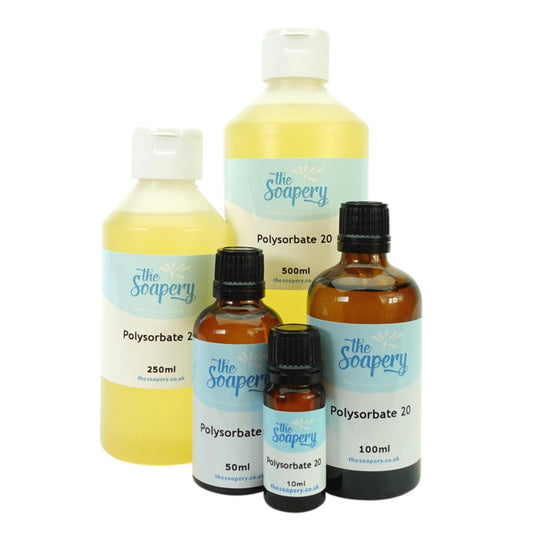
  • Polysorbaat 20

    Polysorbaat 20

    Normale prijs
    Vanaf €4,95
    Aanbiedingsprijs
    Vanaf €4,95
    Normale prijs
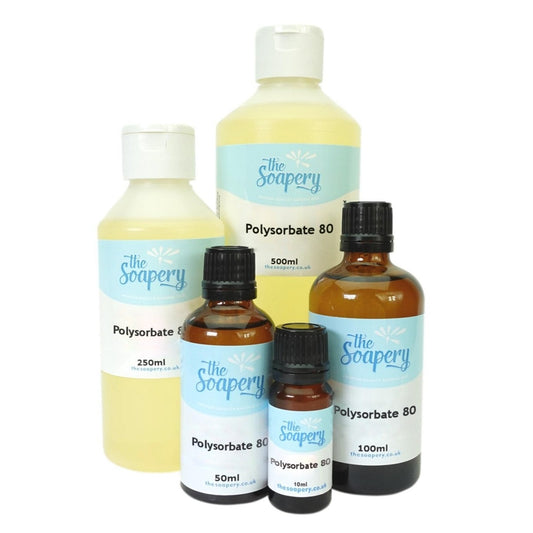
  • Polysorbaat 80

    Polysorbaat 80

    Normale prijs
    Vanaf €4,95
    Aanbiedingsprijs
    Vanaf €4,95
    Normale prijs
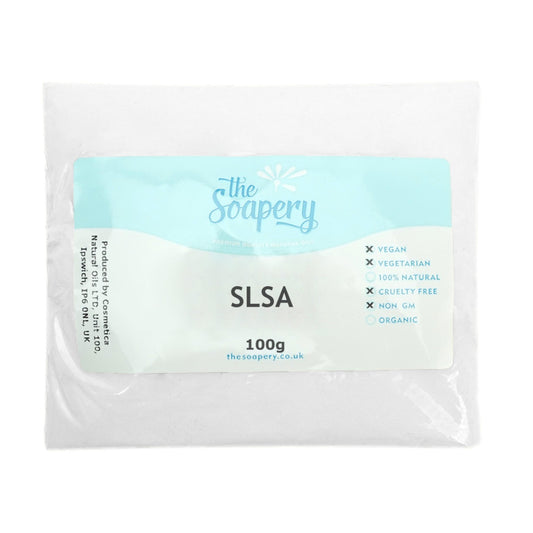
  • SLSA – Natrium Lauryl Sulfoacetaat

    SLSA – Natrium Lauryl Sulfoacetaat

    Normale prijs
    Vanaf €7,95
    Aanbiedingsprijs
    Vanaf €7,95
    Normale prijs
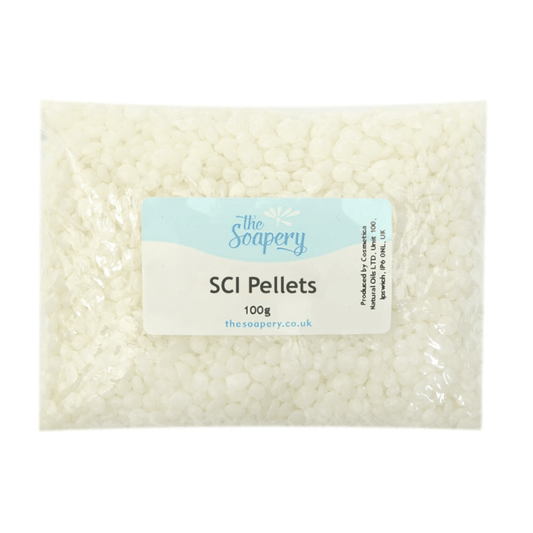
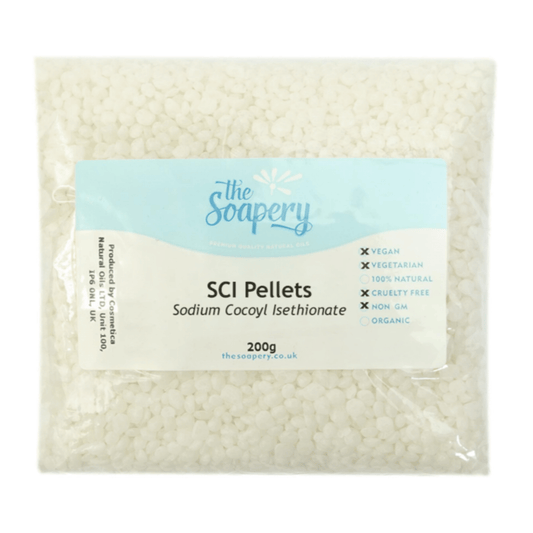
  • Natrium Cocoyl Isethionaat (SCI) Pellets

    Natrium Cocoyl Isethionaat (SCI) Pellets

    Normale prijs
    Vanaf €5,95
    Aanbiedingsprijs
    Vanaf €5,95
    Normale prijs

Waarom kiezen voor The Soapery?

  • Gratis verzending binnen het Verenigd Koninkrijk

    Haal je ingrediënten snel in huis zonder extra kosten.

  • Verzending op dezelfde dag*

    Bestel vóór 15.00 uur om uw pakket direct te laten verzenden.

  • Lage prijzen

    Geen glanzende marketing of valse beloftes betekent grote besparingen.

  • Ethische leveranciers

    Geen bedenkingen hier. Onze ingrediënten zijn ethisch en duurzaam verkregen.

Over Oppervlakte-actieve stoffen

Reinigen, schuimen, laten schuimen, verdikken en meer - oppervlakte-actieve stoffen doordrenken uw creaties met ongeëvenaarde reinigingskracht en prachtig schuim. Van huidvriendelijke SLSA tot zachte, milieuvriendelijke opties en verder, deze onmisbare ingrediënten zijn een totaaloplossing voor alles wat met bad, lichaam en meer te maken heeft! Koop vandaag nog oppervlakte-actieve stoffen bij The Soapery voor verzending op dezelfde dag en snelle, gratis verzending!

Meer informatie over cosmetische oppervlakte-actieve stoffen

Breng uw formules naar een hoger niveau.

Oppervlakte-actieve stoffen spelen een cruciale rol bij het creëren van een luxueus schuim en een gladde textuur in zeep en cosmetica. Maar het gaat niet alleen om de esthetiek - deze krachtige ingrediënten zijn specifiek geformuleerd om de huid mild te reinigen en te voeden, waardoor deze zacht en verfrist aanvoelt. Geen wonder dat het is bestempeld als een essentieel product voor makers!

Wat zijn cosmetische oppervlakte-actieve stoffen?

Alles in één! 

Deze handige ingrediënten zijn te vinden in alles, van reinigers, schuimende producten, toners, crèmes, zepen en haarverzorgingsproducten. Hun rol? De naam zegt het al! 'Oppervlakte-actief' is een afkorting van "oppervlakte-actieve stof" - een combinatie van ingrediënten die werken om de oppervlaktespanning van vloeistoffen te verminderen.

In eenvoudige bewoordingen helpen ze uw eindproduct gemakkelijk en gelijkmatig over huid en haar te verspreiden, waarbij vuil, olie en andere onzuiverheden met gemak worden verwijderd. Ons assortiment omvat coco glucoside, SLSA, polysorbate 80 en andere oppervlakte-actieve stoffen.

Wij verkopen geen volledig natuurlijke oppervlakte-actieve stoffen, maar we hebben wel een aantal geweldige natuurlijke alternatieven, zoals coco glucoside en polysorbate 20. Van oppervlakte-actieve stoffen op basis van kokosnoot voor een rijk, romig schuim tot opties op basis van palmolie voor een milde reiniging, er is een oppervlakte-actieve stof voor elk huidtype.

De favorieten van onze maakexperts zijn plantaardige creaties en SLSA - een geweldig alternatief voor natuurlijke oppervlakte-actieve stoffen, en een milde oppervlakte-actieve stof die een rijk, stabiel schuim levert in bruisballen, shampoos en andere cosmetica.

Hoe oppervlakte-actieve stoffen in cosmetica te gebruiken

Er is echt geen einde aan de lijst met toepassingen voor oppervlakte-actieve stoffen. Of ze nu worden gebruikt voor milde reiniging, schuimvorming of stabilisatie, er is bijna altijd een plaats voor hen in bad- en lichaam formules. Houd er rekening mee dat elk type oppervlakte-actieve stof en recept andere vereisten heeft - controleer uw ingrediënten en proces zorgvuldig voordat u begint!

Over het algemeen, als het gaat om het bereiken van het juiste schuim en de juiste eigenschappen, is het belangrijk om de juiste ingrediënten- en verhoudingskeuzes te maken. Twijfelt u tussen een paar? U kunt verschillende soorten oppervlakte-actieve stoffen mengen om de eigenschappen van uw eindproduct aan te passen!

Voordat u begint met maken, moet u er rekening mee houden dat het gebruik van te veel oppervlakte-actieve stof irritatie van de huid of het haar kan veroorzaken. Probeer de regels te volgen, of, als u experimenteert met formulering, test dan voordat u het gebruikt!

De voordelen van cosmetische oppervlakte-actieve stoffen 

Een flink aantal van de cosmetische, bad- en lichaamsproducten die we vandaag de dag kennen en waar we van houden, zouden simpelweg niet bestaan zonder de baanbrekende mogelijkheden van oppervlakte-actieve stoffen!

Deze natuurlijke ingrediënten, afkomstig van bronnen variërend van kokosnoot tot duurzame palmolie, zijn speciaal geformuleerd voor milde reiniging, hydraterende eigenschappen en verbeteren de textuur van de huid en het haar - terwijl ze eindeloze functionele voordelen voor de formules zelf bieden.

Op papier doorbreken oppervlakte-actieve stoffen de oppervlaktespanning - waardoor alles van mengen tot aanbrengen een fluitje van een cent wordt. Dankzij hun unieke moleculaire structuur, waardoor ze gemakkelijk met water kunnen mengen en bubbels kunnen creëren, zijn ze bijvoorbeeld een mild maar effectief schuimmiddel in zepen en gels!

Bovendien kunt u, afhankelijk van het type dat u kiest, uw oppervlakte-actieve stof zelfs als emulgator of dispergeermiddel gebruiken! 

De meeste cosmetische oppervlakte-actieve stoffen zijn ook milieuvriendelijk - afkomstig van natuurlijke bronnen, biologisch afbreekbaar en vaak gemakkelijk verkrijgbaar. Ze zijn echt een win-win!

WAT KLANTEN ZEGGEN

We Waarderen Elk van Onze Klanten

Accreditaties/Prijzen

We zetten ons in om een uitgebreid assortiment van volledig natuurlijke, biologische producten aan te bieden die gecertificeerd zijn door The Soil Association, en we zijn er trots op dat we ons steentje bijdragen aan de wereld om ons heen.

Net als de meeste ingrediënten worden de oliën, boters, poeders en decoraties in uw handgemaakte producten geteeld of gewonnen uit de natuurlijke wereld. De producten die door de Soil Association als biologisch zijn gecertificeerd, zijn geteeld, geproduceerd en geoogst in overeenstemming met strenge voorschriften die zijn opgesteld om het milieu, inclusief bodems, ecosystemen, dieren en mensen, te beschermen en in stand te houden.

Oppervlakte-actieve stoffen Kopen: Veelgestelde vragen

Kunt u de antwoorden die u zoekt niet vinden? Neem dan contact op met ons vriendelijke team via ons contactformulier of via sociale media. We helpen u graag verder.

How do cosmetic surfactants work?

Cosmetic surfactants are do-it-all ingredients with a whole range of purposes. They’re most often used to help bath and body products like shower gels, shampoos, and soap foam, clean, and cleanse properly. They do this, on the whole, by lowering the surface tension of liquids. 

Surfactants are usually made up of two parts: a hydrophobic (water-fearing) tail and a hydrophilic (water-loving) head. The hydrophobic tail dissolves in oils and fats, while the hydrophilic head breaks down in water. This means that when a surfactant is mixed into the formula of, say, a bar of soap, and used in the shower, its hydrophobic tails attach to dirt and oil present on the skin, while the hydrophilic heads remain in the water, allowing the former to be washed away with ease!

What are cosmetic surfactants made of?

On a molecular level, cosmetic surfactants are made up of a hydrophilic (water-loving) head, and hydrophobic (water-fearing) tail. This unique combination is what gives these ingredients their unique cleansing and foaming characteristics. In addition, many surfactants feature different levels of charge - for example, anionic surfactants like sodium lauryl sulfate create a lovely lather, while nonionic surfactants like glyceryl stearate are ultra-mild and great for emulsifying oils. Amphoteric surfactants like Cocamidopropyl betaine are the chameleons of the group, acting as both anionic and cationic surfactants, making them incredibly versatile. 

In terms of ingredient sources, many cosmetic surfactants are drawn from the natural world! Common derivatives include coconut oil, palm oil, and cornstarch - all of which are able to produce a gentle, mild end-product perfect for use in creations for the skin and hair. 

Are surfactants natural?

When it comes to surfactants, there are all-natural, synthetic, and a few ‘in-between’ options available to soap and cosmetic makers! 

Natural surfactants, as their name suggests, are derived entirely from plants, animals, or minerals with no extra processing involved in their production. Common examples in this category include coconut, palm, and castor oil - all of which are known for their gentle effects on the skin, and ability to contribute to lather (especially in soap)!

Synthetic options, on the other hand, are composed of chemical compounds. Some examples include Sodium Lauryl Sulfate (SLS) and Sodium Laureth Sulfate (SLES). They’re known to be a little harsher than natural surfactants.

The Soapery also offers mostly natural options subject to minimal processing - such as SLSA - a derivative of coconut and palm oil. Though these options don’t quite meet our standards for 100% natural labelling, they’re made of natural ingredients at their core. The final product has simply been modified and purified to meet cosmetic industry standards and has the appropriate characteristics and pH to be used as a surfactant. 

What is the difference between primary and secondary surfactants?

Primary and secondary may share a name, but play distinct roles in everything from shampoo to soap creations. Primary surfactants, often referred to as 'main' or 'primary detergents', will do the vast majority of the work in your formula, being responsible for cleaning, cleansing, lathering, and in some contexts, emulsifying. They’re usually used in higher concentrations as a result. 

Secondary surfactants, also known as ‘co-surfactants’ support the functionality of primary surfactants. They’re commonly used to improve foam quality, increase mildness, aid in thickening, or modify the texture of a product. 

The interplay between primary and secondary surfactants allows for a fully functioning end-product. 

How to make shower gel foam?

Doing some DIY bath and body crafting? We’ve got the tips and tricks you’ll need to perfect your products. 

Making shower gel foamy is a simple process - and, most of the time involves the use of a surfactant! In simple terms, these compounds lower the surface tension between liquids, allowing them to mix and create foam. They may be listed in your recipe in the form of SLS, SLSA, or even coconut oil - be sure to double-check! 

SLSA is one of our favourite foaming and lathering agents for shower gels thanks to its mildness. The general rule of thumb is to use around 1-2% of SLSA, based on the total weight of the recipe - however, be sure to check your guide’s exact requirements! If you’re experimenting with formulations, don’t overlook testing for skin irritation either. 

Beyond surfactants, there are some other shower gel recipe ingredients known to help stir up a nice lather including honey and glycerin! Why not experiment with different options to find the perfect recipe for your customers?

Are surfactants safe to use in cosmetics?

In general, surfactants are considered safe to use in cosmetics  - having undergone testing and usage by millions of people for decades. However, as with any cosmetic ingredient, some people may be more sensitive or allergic to certain types or volumes of surfactant, meaning you should always work with care, and label your end-products correctly! 

There are many types of surfactants out there - each with different benefits, and varying effects on the skin when used in cosmetics, bath, and body products. For example, sodium lauryl sulfate (SLS), despite its effectiveness as an ingredient, is on the harsher side and is known to cause irritation to some people with sensitive skin, whilst SLSA, for example, provides a milder alternative.

What’s the difference between a primary and a secondary surfactant?

If you’re getting deeper into the world of soap and cosmetics making, you may have come across recipes calling for the use of both a primary and secondary surfactant. But what’s the difference? Essentially, a primary surfactant is your main lathering and cleansing agent - it’ll take the lead in terms of the texture and performance of your final product. Examples of primary surfactants include sodium lauryl sulfate (SLS) and SLSA. 

A secondary surfactant, on the other hand, is the backup. It’s used in smaller quantities to enhance the performance of the primary surfactant - often contributing to the lather, stability, and moisturising properties of a formula. Some examples of secondary surfactants include Cocamidopropyl betaine and glyceryl laurate.

Are there any alternatives to synthetic surfactants?

Although many synthetic surfactants can provide an excellent performance in terms of lathering, pH balance, texture, absorption, and more - they’ve also got a bit of a reputation for being harsh on the skin. If you’re in need of a gentle addition to your recipe, our experts recommend opting for a milder option, such as SLSA or SCI flakes (a plant derived choice), or going down the 100% natural route. 

How do I store surfactants?

Storing your surfactants correctly is key to unlocking their all-powerful bubbling and cleansing abilities! In order to keep your new purchases in tip-top condition, our experts recommend storing them in their original packaging until you're ready to use them. Once you've opened them, if you’re no longer able to use their original packaging, pop them in airtight containers, like glass or plastic bottles with tight-fitting lids. 

Once packaged and primed for next use, be sure to keep your surfactants in a cool, dry place, away from direct sunlight and heat sources. In addition to this, avoid storing them in damp or humid areas, as this can cause them to degrade more quickly. 

Some surfactants are also known to absorb strong odours - so be sure to steer clear of any essential or fragrance oils in order to maintain performance levels for as long as possible! 

How to get bath bombs to foam?

SLSA is a popular choice for makers looking for foamy, floating bath bombs. It’s a safe, skin-friendly surfactant that helps create rich, luxurious foam when dissolved in water. 

Most bath bomb recipes will require you to mix SLSA with your dry ingredients (like baking soda and citric acid) before adding any oils or moisture. The proportion of SLSA needed can vary, but most use it in a smaller ratio compared to base ingredients.